
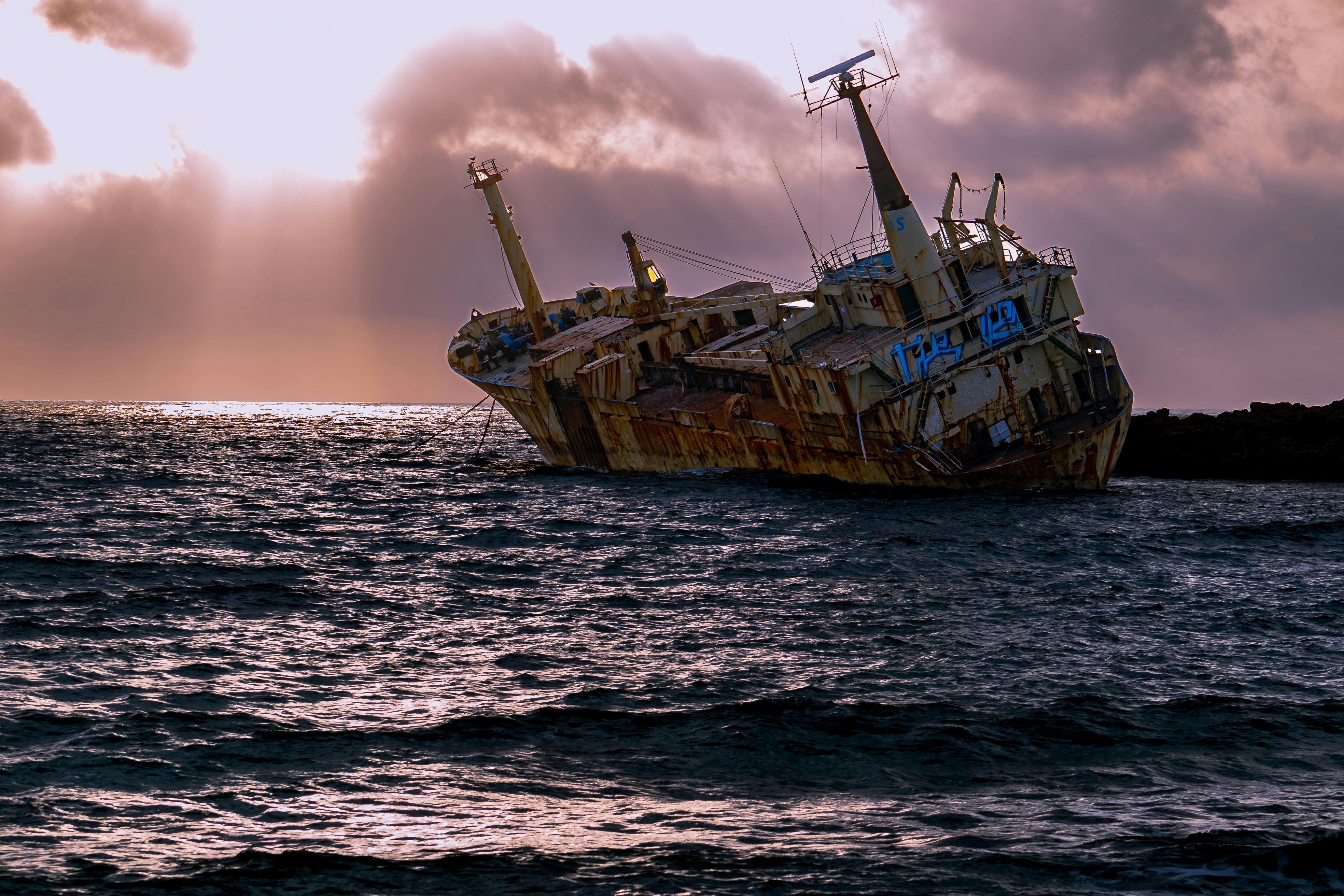
The Outer Banks is filled with mystery that’s ready for exploration.
The Outer Banks of North Carolina are known today for windswept beaches, historic lighthouses, and laid-back coastal charm, but beneath the sand and surf lies a past filled with pirates, privateers, and legends of lost treasure.
Thanks to its dangerous waters, hidden inlets, and proximity to major shipping routes, the Outer Banks became one of the most notorious maritime regions in early American history.
Pirates, Privateers & Lost Treasure of the Outer Banks
A Perfect Hideout for Pirates
.jpg?width=6240&height=4160&name=2%20(1).jpg)
Shipwrecks Abound
During the late 1600s and early 1700s, the Outer Banks were a pirate’s dream. The shallow shoals and narrow channels, especially along the infamous Graveyard of the Atlantic, caused countless ships to run aground. Pirates used their knowledge of these treacherous waters to ambush merchant vessels or lure them to wreck. Barrier islands like Ocracoke and Hatteras provided secluded anchorages where pirates could repair ships, divide loot, and disappear before authorities arrived.
Blackbeard and Pirate Legends
No pirate is more closely tied to the Outer Banks than Edward Teach, better known as Blackbeard. In 1717, Blackbeard made Ocracoke Island his base of operations, striking fear into sailors along the Carolina coast. His reign ended dramatically in 1718 when he was killed in battle with British naval forces near Ocracoke Inlet. According to legend, Blackbeard’s headless body swam around his ship several times before sinking, a story that still fuels ghostly tales and treasure myths today.
"It is a blessing for a man to have a hand in determining his own fate." — Blackbeard
Privateers: Legal Pirates of the Sea
Not all sea raiders in the Outer Banks were outlaws. During times of war, governments issued letters of marque that allowed privateers to attack enemy ships legally. These privateers played a significant role during conflicts such as the American Revolution and the War of 1812. While technically lawful, their tactics were often indistinguishable from piracy, and many blurred the line between patriot and profiteer. The Outer Banks’ hidden waterways made it easy for privateers to bring captured goods ashore unnoticed.
Shipwrecks and Lost Treasure
The waters off the Outer Banks are littered with shipwrecks, more than 2,000 by some estimates. Spanish galleons, British merchant ships, and American vessels met their fate on the shifting sandbars and violent storms. Many of these ships carried gold, silver, and valuable cargo, giving rise to centuries of treasure-hunting lore. While some artifacts have been recovered, many wrecks remain undiscovered, buried beneath sand or claimed by the sea.
.jpg?width=1280&height=853&name=glorfmorph-hakone-5260382_1280%20(1).jpg)
Tales of Pirate's Treasures in the Outer Banks
Legends That Live on
Stories of buried treasure continue to fascinate locals and visitors alike. Tales of pirates hiding chests of gold beneath dunes or marking secret locations with coded maps are passed down through generations. While modern historians suggest most pirates spent their loot quickly, the mystery endures, and so does the thrill of possibility.
Today, the Outer Banks embrace this swashbuckling past through museums, historic sites, and local folklore. Whether or not treasure still lies hidden offshore, the real riches are the stories themselves, echoes of a dangerous, daring era that forever shaped the identity of the Outer Banks. Rentalz can help you find the right vacation rental to stay there when exploring the different shipwrecks.
When it comes to adventure, the Outer Banks has surprises waiting for you in the form of shipwrecks.