
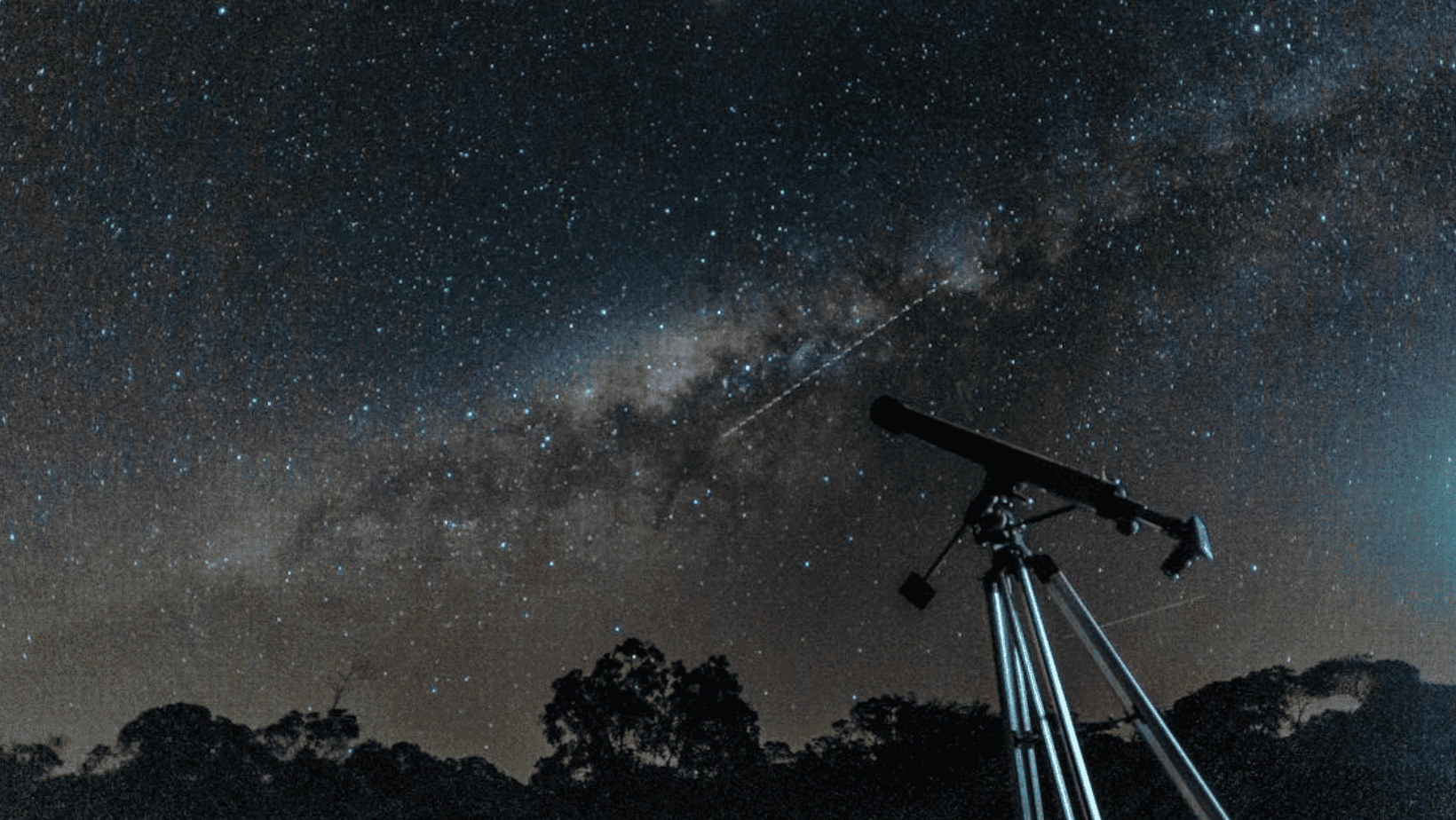
The Outer Banks of North Carolina offer more than sun-soaked beaches and historic lighthouses; they're also one of the East Coast’s best destinations for stargazing.
With long stretches of undeveloped shoreline, minimal light pollution, and wide-open horizons, the Outer Banks provide ideal conditions for viewing the night sky. Whether you’re a casual stargazer or a dedicated astronomy enthusiast, these barrier islands offer unforgettable celestial experiences.
We have compiled here some ideas that you can use to have an amazing experience when you are stargazing.
.jpg?width=1279&height=854&name=pexels-aliciazinn-11564057%20(1).jpg)
Stargazing in the Outer Banks: Dark Sky Beaches & Tips
Why the Outer Banks Are Ideal for Stargazing
One of the biggest advantages of stargazing in the Outer Banks is the lack of urban development. Many beaches are bordered by protected land, dunes, and wildlife refuges rather than city lights. The flat landscape and open ocean horizon allow unobstructed views of the sky, making it easier to spot constellations, planets, and meteor showers.
Cooler evening breezes from the Atlantic also make nighttime beach visits comfortable, even in warmer months. On clear nights, the Milky Way can often be seen stretching across the sky, especially during new moon phases when natural darkness is at its peak.
Best Dark Sky Beaches in the Outer Banks
Cape Hatteras National Seashore is widely considered the top stargazing location in the Outer Banks. Spanning several islands and miles of protected shoreline, it offers exceptionally dark skies and plenty of quiet beach access points. Areas near Buxton, Frisco, and Hatteras Village are especially popular for night sky viewing.
Ocracoke Island is another standout. Its remote location and limited commercial development make it one of the darkest places on the East Coast. The beaches near Ocracoke Campground and the southern end of the island are excellent for spotting stars, satellites, and even faint nebulae on clear nights.
Pea Island National Wildlife Refuge also provides dark, peaceful surroundings. While beach access may vary, nearby shoreline areas still offer excellent sky visibility with minimal artificial light.
What You Can See in the Night Sky
Depending on the season, stargazers in the Outer Banks can view constellations like Orion, Scorpius, and Ursa Major, along with bright planets such as Venus, Jupiter, and Saturn. Meteor showers, including the Perseids in August and Geminids in December, are especially impressive over the ocean, where reflections and wide horizons enhance visibility.
With a small telescope or binoculars, you may also spot star clusters, lunar craters, and passing satellites, including the International Space Station.
“And he will never know what it is to look up at the night sky and wish.”
― Sarah J. Maas, A Court of Mist and Fury
Stargazing Tips for the Outer Banks
Plan your stargazing session around the lunar cycle. New moon nights provide the darkest skies, while full moons can wash out fainter stars. Check weather conditions and cloud cover before heading out, and allow your eyes at least 20 minutes to adjust to the darkness.
Use red-light flashlights or phone filters to preserve night vision, and avoid using bright screens. Bring a blanket or beach chair for comfort, along with bug spray during warmer months. Always follow local beach access rules and respect wildlife, especially nesting sea turtles.
%20(1).jpg?width=640&height=426&name=pexels-luca-severin-748412253-18643196%20(1)%20(1).jpg)
A Nighttime Experience to Remember
Stargazing in the Outer Banks is a peaceful, awe-inspiring way to experience the coast after dark, offering a completely different perspective from the daytime beach scene. As the crowds fade and artificial lights grow scarce, the natural rhythm of the shoreline takes over. The steady sound of waves, the cool ocean air, and the vast, open sky create an atmosphere that feels both calming and humbling. Without buildings or city glow to compete with the night, the stars appear brighter, clearer, and seemingly closer, making even casual observers feel connected to the universe above.
This quiet nighttime ritual often becomes one of the most memorable parts of an Outer Banks trip. Whether you’re lying on a blanket with family, pointing out constellations to kids, or enjoying a silent moment of reflection on your own in your vacation rental, the experience encourages you to slow down and be present. Stargazing here isn’t about equipment or expertise, it’s about appreciating the natural beauty that surrounds you. In the Outer Banks, when the sun goes down, the sky takes center stage, leaving visitors with lasting memories that extend far beyond the shoreline.
Enjoy the beauty of the stars and the sky while staying at the Outer Banks.