
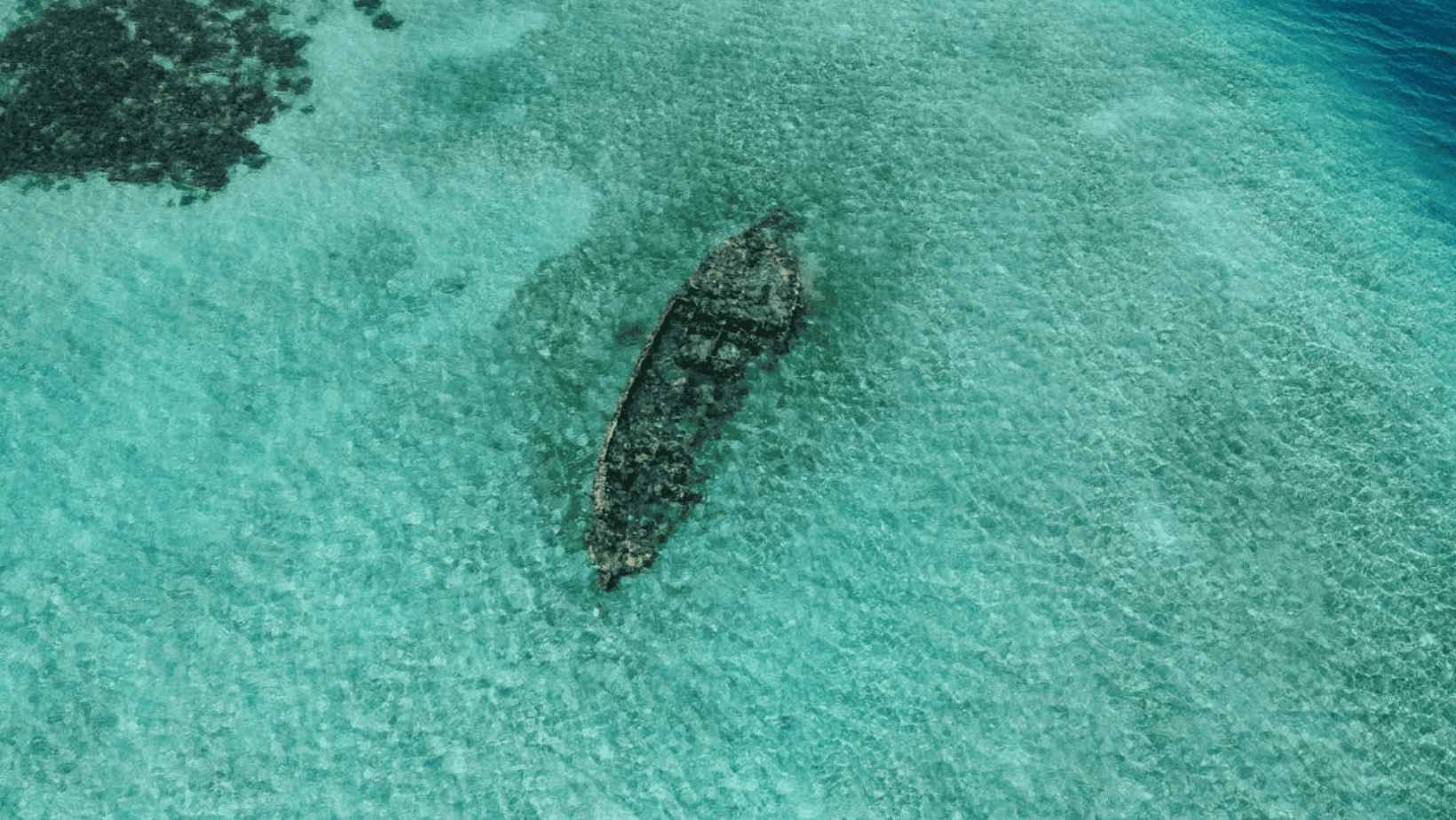
So, what’s behind the nickname of the Outer Banks?
If you’ve ever heard the Outer Banks of North Carolina referred to as the “Graveyard of the Atlantic,” it might sound dramatic, but the name is rooted in very real history. This stretch of barrier islands has been the site of thousands of shipwrecks over the centuries, making it one of the most treacherous coastlines in the United States for shipping and a fascinating one for those who go on vacation there.
So what exactly makes the Outer Banks so dangerous to ships? The answer comes down to geography, weather, and a long history of maritime travel.
.jpg?width=3935&height=2963&name=pexels-dalan-moss-2148135510-29934951%20(1).jpg)
Why Is the Outer Banks Called the “Graveyard of the Atlantic”?
A Coastline Full of Hidden Hazards
One of the biggest reasons for so many shipwrecks is the presence of shifting sandbars just offshore. Known as the Diamond Shoals, these underwater ridges constantly move due to currents and storms.
For ships traveling along the East Coast, especially in earlier centuries, these shoals were incredibly difficult to navigate. Even experienced captains could run aground without warning, particularly before modern navigation tools existed.
Because the sandbars are often just below the surface, they’re not always visible, making them especially dangerous.
Where Warm and Cold Currents Collide
Another major factor is the meeting point of two powerful ocean currents: the warm Gulf Stream flowing north from the Caribbean and the cold Labrador Current coming down from the Arctic.
When these currents collide near the Outer Banks, they create unpredictable conditions, including sudden fog, rough seas, and shifting winds. These changes can happen quickly, leaving little time for ships to react.
This natural convergence zone has made the waters off the Outer Banks notoriously difficult to navigate for centuries.
“That was creepy, honestly. Pirates and shipwrecks and graveyards, oh my.”
― Rebecca Behrens, Summer of Lost and Found
Storms and Hurricanes
The Outer Banks sit directly in the path of many Atlantic storms and hurricanes. These powerful weather systems have historically caught ships off guard, especially before modern forecasting.
High winds, massive waves, and reduced visibility during storms often led to vessels being pushed onto the shoals or broken apart near the coast.
Even today, the area experiences strong storms, though modern ships are far better equipped to handle them.
A Major Shipping Route
Part of the reason so many shipwrecks occurred here is simply because of traffic. The waters off the Outer Banks have long been a major shipping route along the East Coast.
In the 18th and 19th centuries, countless vessels carrying goods, passengers, and supplies passed through this region. With so many ships traveling through such a hazardous area, accidents were almost inevitable.
Over time, these incidents added up, creating the legacy behind the nickname.
Thousands of Shipwrecks
It’s estimated that more than 2,000 ships have been lost off the coast of the Outer Banks. Some are well-documented, while others remain mysteries buried beneath the sand and sea.
Today, remnants of shipwrecks can occasionally still be seen along the shoreline, especially after storms shift the. These discoveries serve as powerful reminders of the area’s maritime past.
The Birth of the U.S. Lifesaving Service
Because of the dangers along this coastline, the U.S. Lifesaving Service (a predecessor to the Coast Guard) established stations throughout the Outer Banks in the 19th century.
Crews known as “surfmen” risked their lives to rescue shipwreck victims, often battling rough seas and harsh weather. Their efforts saved countless lives and became an important part of the region’s history.
.jpg?width=6720&height=4480&name=pexels-william-lucord-942010-5129879%20(1).jpg)
Final Thoughts
The nickname “Graveyard of the Atlantic” isn’t just a piece of folklore, it reflects centuries of real maritime danger along the Outer Banks. Shifting shoals, powerful currents, frequent storms, and heavy ship traffic all contributed to the area’s reputation.
Today, while modern navigation has reduced the risks, the history remains. For visitors, it adds a layer of depth and intrigue to an already beautiful destination, reminding us that beneath the surface lies a powerful and often unforgiving past.
Visit the Outer Banks now and see the relics from the past that are stranded there.